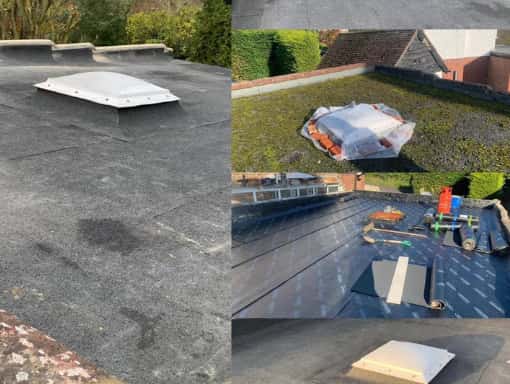
A roof leak rarely remains confined to the exact point where water first enters. Moisture can travel beneath tiles, along underlay and across structural timbers before becoming visible inside the property. By the time water begins dripping from a ceiling, the affected area may be larger than the first indoor signs suggest.
For property owners in Rye, East Sussex, early leak detection can make an important difference. Finding and repairing a defect while it remains localised helps protect the surrounding roof materials and reduces the likelihood of moisture spreading through the roofing system.
Why Detecting a Roof Leak Early Matters
A small opening in the roof may initially allow only a limited amount of rainwater to enter. However, repeated exposure can weaken adjacent materials, enlarge the original defect and create additional routes for moisture. Early detection gives a roofer the opportunity to address the cause before this process advances.
Water Can Travel Away From the Original Defect
The position of an internal damp patch does not always reveal where the roof is leaking. Water can run down the underside of a tile, follow the roof underlay or move along a rafter before reaching the ceiling below.
This movement can make a leak appear to affect several areas even when it began at one entry point. A professional inspection traces the likely route of the moisture rather than assuming that the damaged roofing material is directly above the visible stain.
A Small Defect Can Affect Surrounding Materials
One cracked tile, slipped slate or opening in the flashing can expose materials that are not designed for continuous contact with water. The underlay may initially redirect some moisture, but it should not be relied upon as the primary waterproof layer.
Continued water ingress can affect:
- Roofing underlay
- Timber battens
- Rafters and other structural timbers
- Roof insulation
- Ceiling boards and internal finishes
- Fixings securing nearby roof coverings
Repairing the entry point early helps prevent these connected components from deteriorating.
Moisture Can Weaken Battens and Fixings
Tiles and slates rely on sound battens and secure fixings. If moisture repeatedly reaches these areas, timber can weaken and metal components may deteriorate.
A covering that originally moved because of one failed fixing may then place greater pressure on neighbouring tiles. This can turn a localised defect into a wider area of movement, particularly during windy conditions. Early repairs protect both the visible covering and its supporting structure.
Underlay Damage Can Widen the Affected Area
The underlay beneath the main roof covering provides secondary protection against moisture and wind-driven rain. If it becomes torn, brittle or damaged around fixings, water may no longer drain safely towards the roof edge.
Instead, moisture can pass through the damaged area and spread across adjacent sections. Once the underlay has deteriorated extensively, repairing the outer covering alone may not resolve the problem. Detecting leaks before this layer is seriously affected can keep the required repair more focused.
Persistent Damp Can Affect Roof Timbers
Timber may tolerate occasional surface moisture, but repeated or prolonged dampness can lead to staining, softening and loss of strength. The problem is often hidden because rafters and battens sit behind the roof covering or above insulation.
An inspection of the accessible loft space can reveal water tracks, darkened timber, damp insulation or daylight entering through gaps. These signs help establish whether a leak is recent or has been affecting the roof for some time.
Common Early Warning Signs of a Roof Leak
A roof does not need to be visibly dripping before an investigation is worthwhile. Early signs may include:
- A faint stain on a ceiling or upper wall
- Dampness that appears after prolonged rainfall
- Discoloured or flaking internal finishes
- A musty smell in the loft
- Damp or compressed insulation
- Water marks on rafters or battens
- Daylight visible through the roof
- A cracked, slipped or missing tile
- Loose flashing around a roof junction
- Debris from tiles or mortar around the property
Some of these signs can have other causes, but they should not be ignored when they appear alongside visible roofing damage or worsen during wet weather.
Vulnerable Areas Require Careful Inspection
Leaks frequently develop where different roofing materials or surfaces meet. Chimney junctions, valleys, roof edges, flashing and changes in pitch all manage significant amounts of rainwater.
A professional roof inspection should examine these details as well as the main tile or slate covering. Gutters and drainage routes should also be checked because overflowing water can reach roof edges, fascias and external walls, creating symptoms similar to a direct roof leak.
Why Covering the Indoor Stain Is Not Enough
Repainting a stained ceiling may temporarily improve its appearance, but it does not stop water from entering. If the roofing defect remains, the stain is likely to return and concealed materials may continue to deteriorate.
The correct sequence is to identify the source, repair the roof and allow the affected area to dry. This addresses the cause rather than simply concealing the most noticeable symptom.
How Professional Leak Detection Supports Effective Repairs
Professional assessment considers both external defects and internal evidence of water movement. A roofer can compare the location of dampness with the roof’s design, slope, junctions and drainage paths.
This wider view helps determine whether the problem is caused by an isolated tile, defective flashing, damaged underlay or deterioration affecting several components. Accurate diagnosis keeps repairs appropriately targeted while reducing the chance that a second entry point will be overlooked.
Conclusion
Early leak detection can prevent damage from spreading by stopping moisture before it affects a larger area of underlay, battens, timbers and internal materials. It can also keep a straightforward local repair from becoming more extensive.
If you have noticed damp patches, displaced roofing materials or other signs of water ingress, Rye Roofers can inspect the roof and identify the source of the problem. Contact our team to arrange a professional roof assessment in Rye, East Sussex.
Call us on: 01797 334497
Click here to find out more about Rye Roofers
Click here to complete our contact form and see how we can help with your roofers needs.